Two layers, one running total.
Pick what goes against the skin and what goes over it. The builder adds the fabric weights, grades the result, and tells you when the neckline underneath sits higher than the one on top.
The third layer is a shaped-knit sweater or a woven shirt. Both are made on different machines from plain jersey, and neither is something we cut.
Two layers you can buy, one you cannot.
The first layer sits against the skin and takes the abrasion. The second carries the weight and decides how the stack reads from outside. The third — a sweater or a shirt — is knitted or woven somewhere else entirely, and is drawn here only so the total makes sense.
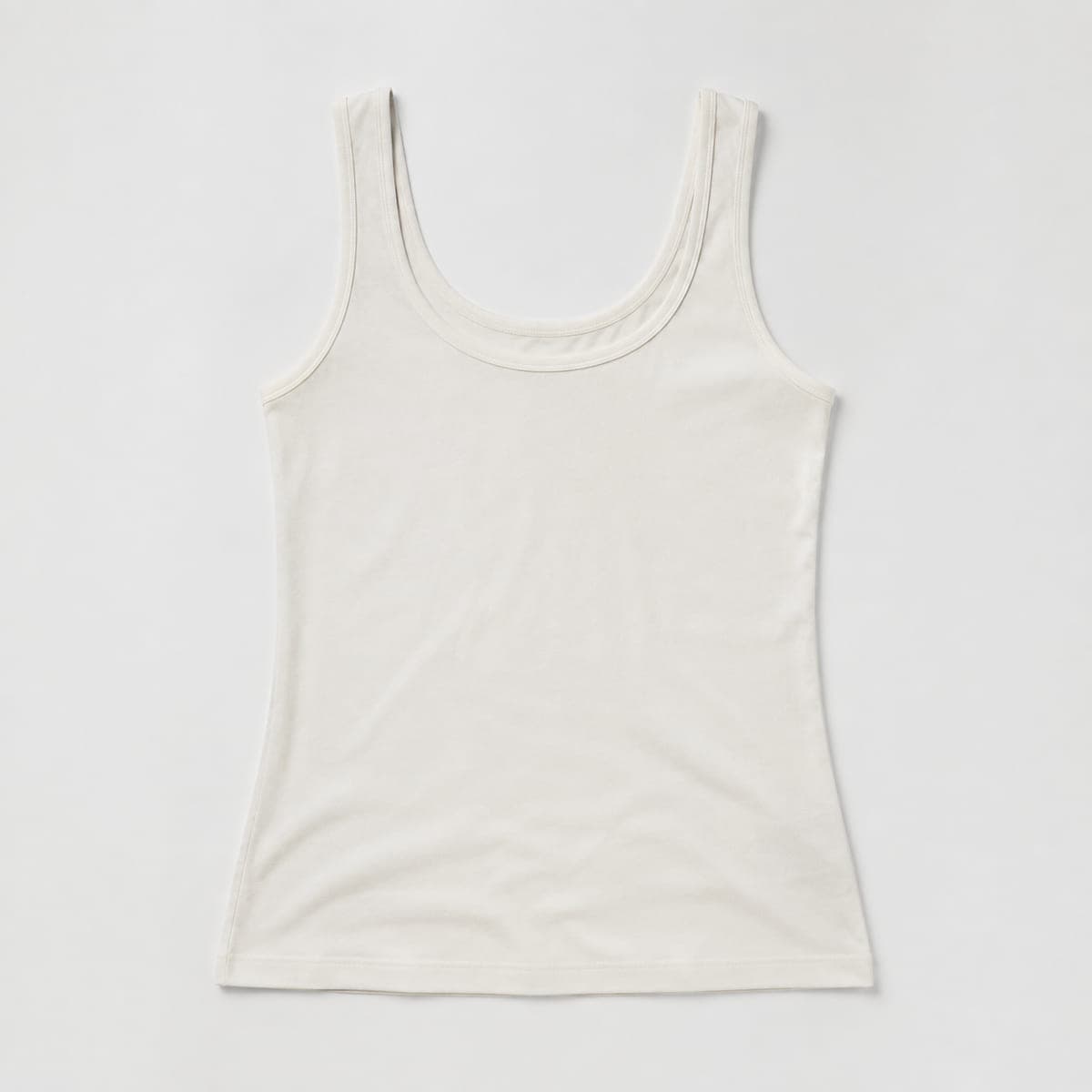
01Against the skin
Line C — tanks and camis
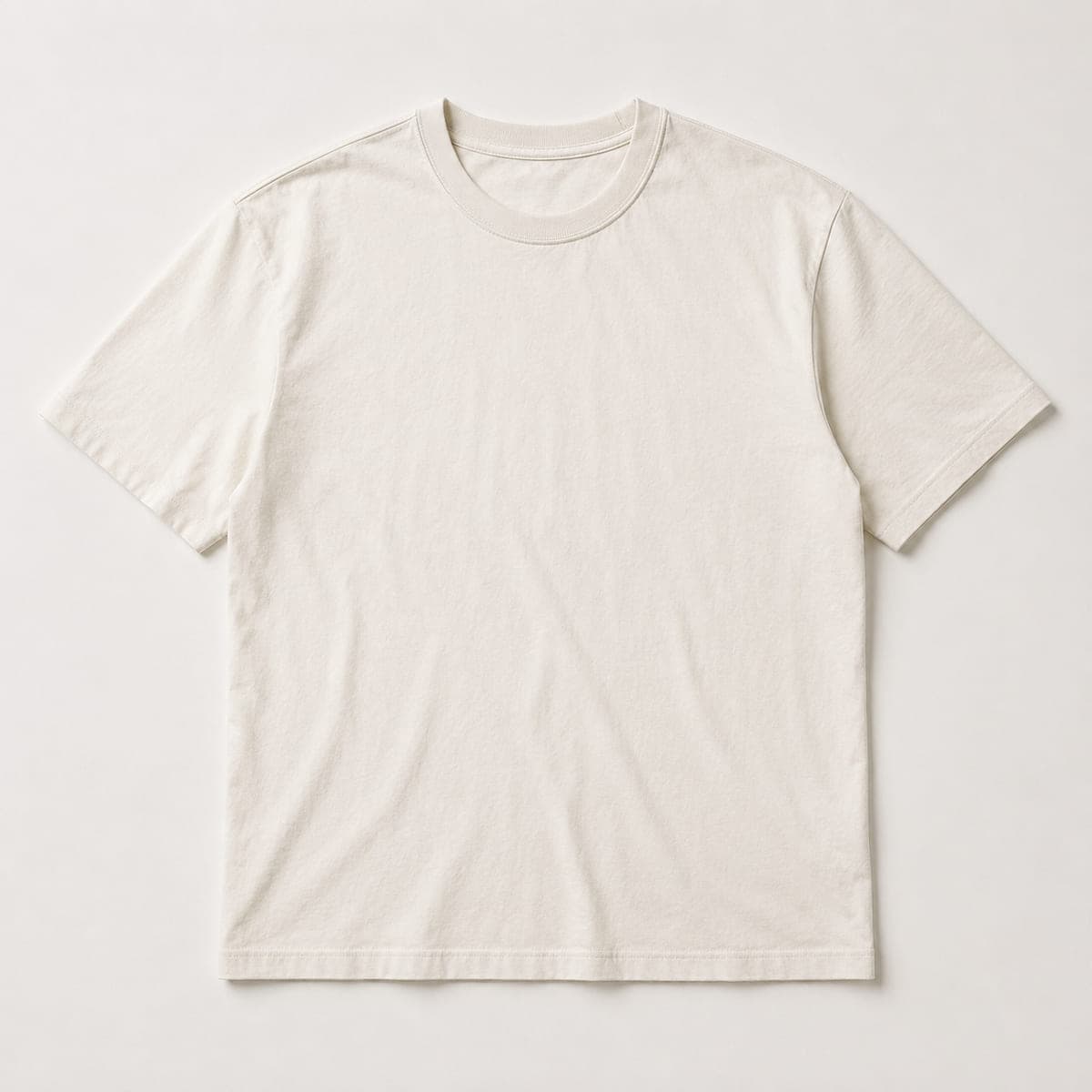
02Over the top
Lines A and B — tees and long sleeves
The stack
A shaped-knit sweater or a woven shirt
Combined weight
320g/m²
Grading
Light
Two pieces
$56
Scale runs to 620 g/m², the heaviest two-layer combination in the catalogue. Relative grading only, not a temperature rating.
Adds two separate pieces to the cart in size M. Colours default to the first colour of each style and can be changed on the product pages.
How the grading works
A relative grading of combined fabric weight across the layers you have chosen. It is not a temperature rating and says nothing about the conditions the stack is suitable for.Why necklines collide
A first layer that covers more of the throat than the layer above it will be visible at the collar. The builder compares the two and offers alternatives that sit lower.Sizes in a stack
Layers are cut on the same block, so the same size works through the stack. The fitted long sleeve is the exception — it is deliberately narrower through the arm.